



In the realm of transportation innovation, the Hyperloop system has emerged as a
revolutionary concept that holds the potential to transform the way we travel. Combining
high-speed propulsion and magnetic levitation within a low-pressure tube, the Hyperloop
promises to deliver ultra-fast, efficient, and sustainable transportation. This article explores
the key features, advantages, and challenges of the Hyperloop transportation system.
Understanding the Hyperloop
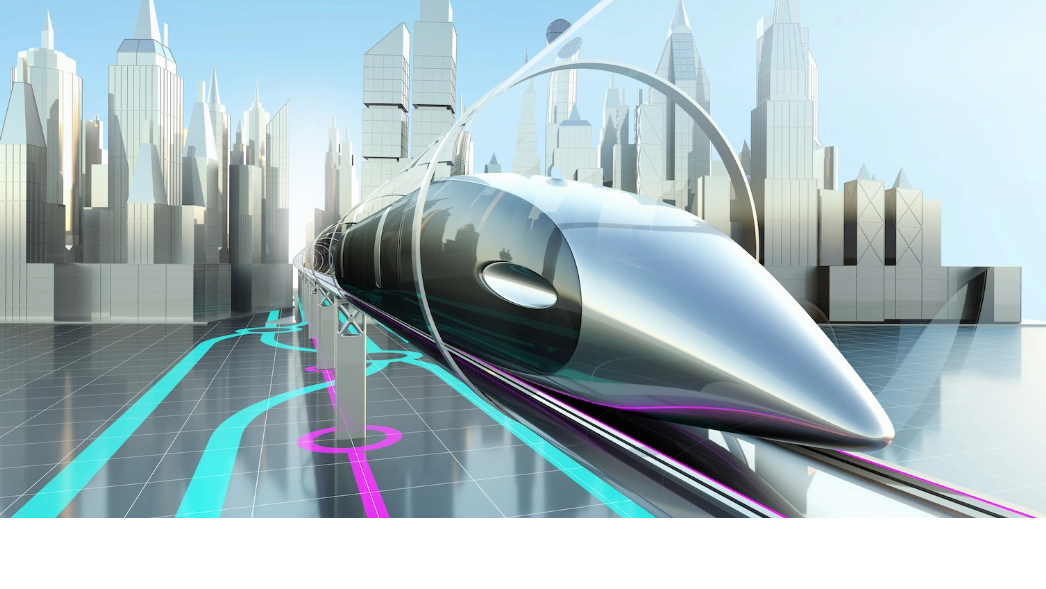
The brainchild of Elon Musk, the Hyperloop is a mode of transportation that aims to propel
passenger or cargo pods through a near-vacuum tube at speeds exceeding those of traditional
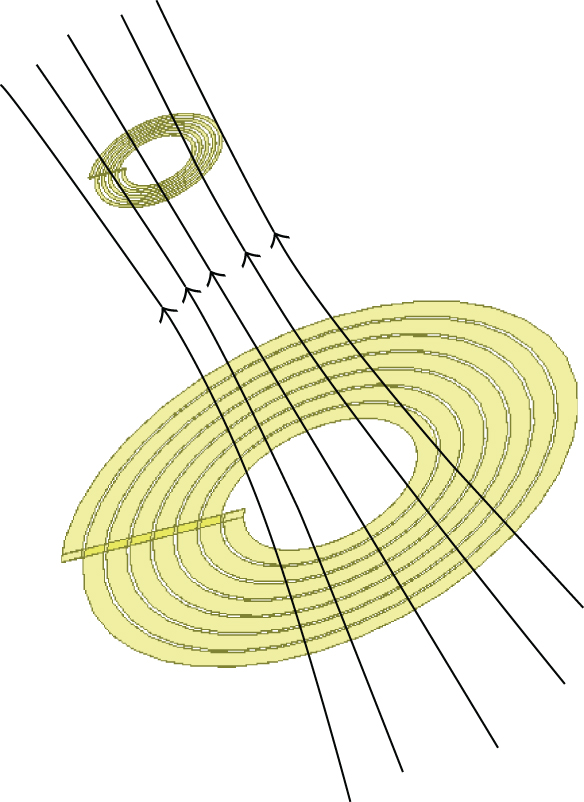
trains and even airplanes. The system utilizes a combination of magnetic levitation and
reduced air resistance to achieve unparalleled speeds, potentially surpassing 700 miles per
hour (1,100 kilometers per hour).
Key Features and Advantages
- Speed: The primary allure of the Hyperloop lies in its remarkable speed capabilities.
By minimizing aerodynamic drag and employing electromagnetic propulsion, the
system can achieve unparalleled velocity, significantly reducing travel times between
distant cities. For example, a trip from Los Angeles to San Francisco could potentially
be completed in just 30 minutes, compared to a six-hour drive or an hour-long flight. - Energy Efficiency: The Hyperloop aims to be an environmentally friendly
transportation solution. By utilizing electric propulsion and renewable energy sources,
such as solar power, it has the potential to generate significantly fewer greenhouse gas
emissions compared to traditional modes of transportation. The system’s energy-efficient design, coupled with regenerative braking, could make it a sustainable
alternative for mass transit. - Safety: Safety is a paramount concern in any transportation system. The Hyperloop’s
design incorporates multiple safety measures. Firstly, the tube’s reduced air pressure
minimizes the risk of accidents caused by collisions or derailments. Additionally, the
autonomous nature of the pods, coupled with advanced sensor systems and AI-driven
control enhances safety by reducing the potential for human error. - Infrastructure and Land Use: Compared to conventional high-speed rail or highway
systems, the Hyperloop requires less land and infrastructure. The elevated or
underground tubes can be constructed on pylons, reducing the need for extensive land
acquisition. This characteristic makes the Hyperloop a viable option for congested
urban areas or regions with limited available space.
Challenges and Considerations
While the Hyperloop presents an exciting vision for future transportation, several challenges
must be overcome before it can become a widespread reality: - Technological Hurdles: The Hyperloop’s technology is still in the developmental
stage and significant engineering advancements are required to make it commercially
viable. Issues such as maintaining low air pressure, mitigating vibration and noise,
ensuring passenger comfort, and scaling the system for mass adoption need to be
addressed. - Cost: Building an extensive Hyperloop network demands substantial financial
investment. The cost of constructing the tubes, creating stations, and developing the
supporting infrastructure poses a significant challenge. However, proponents argue
that operational cost savings and potential revenue from increased transportation
efficiency could offset these initial investments over time. - Regulatory Framework: Introducing a new transportation system requires the
establishment of comprehensive regulations and standards. Governments and
regulatory bodies need to address safety, operational procedures, licensing, and
liability considerations to ensure the Hyperloop’s smooth integration into existing
transportation networks.
Conclusion
The Hyperloop transportation system represents a groundbreaking leap in travel technology,
with the potential to revolutionize long-distance transportation. By combining remarkable
speed, energy efficiency, and safety features, it offers an alluring vision of a future where
travel becomes faster, more sustainable, and accessible to all. While significant challenges
remain, ongoing research, development, and collaboration among various stakeholders are
paving the way for the realization of this transformative transportation system. The
Hyperloop’s ultimate success will depend on continued innovation, public support, and a
robust framework to overcome the obstacles ahead
Thank you for reading this post.